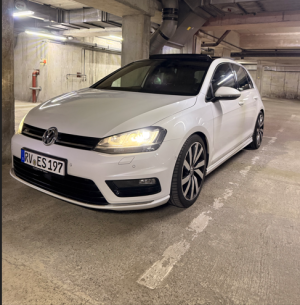
Photo by Ertuğrul Tohma via Pexels
A Volkswagen Golf, an Audi A3, a Škoda Octavia and a SEAT Leon can share an engine, a gearbox, a suspension design and half their electronics — and still be cross-shopped by buyers who think they're choosing between completely different cars.
That's not an accident. It's the entire logic behind how Volkswagen Group is built.
One Company, Many Badges
Volkswagen Group owns Volkswagen, Audi, Škoda, SEAT, CUPRA, Porsche, Bentley, Lamborghini and more. Very few buyers cross-shop a Lamborghini against a Škoda — but a huge number cross-shop a Golf against an Octavia, or an A3 against a Leon. Those overlapping pairs sit at the heart of the group's volume business, and they're built the same way on purpose.Rather than fund a completely separate engineering programme for every brand, VAG designs a small number of shared platforms — MQB, MLB, MEB and others — and lets each brand dress the same underlying hardware differently for a different customer.
So What Actually Makes Each Brand Different?
If the platform, and often the engine and gearbox, are shared, what are buyers really paying for when they choose one badge over another? Mostly, it comes down to four things:- Positioning and price — Škoda and SEAT are typically tuned toward value and space efficiency; Volkswagen sits in the middle; Audi and CUPRA lean toward image, technology and performance.
- Suspension and steering tuning — even on an identical platform, ride height, spring rates, damper tuning and steering weight are calibrated differently per brand to match its intended character.
- Interior materials and technology tier — the same dashboard architecture might get cloth and a basic infotainment screen in one brand, and leather with a larger digital cluster in another.
- Styling — sheet metal, lighting design and interior design language are brand-specific even when the hard points underneath are identical.
The engineering budget is shared. The character is not.
Photo by Erik Mclean via Pexels
Why This Matters If You Own — Or Are Buying — a VAG Car
Understanding the shared-platform structure has real, practical value:- Parts and knowledge transfer. A suspension bushing, a common electrical fault, or a coding option discovered on a Golf frequently applies directly to an Octavia or a Leon built on the same platform generation.
- Smarter cross-shopping. If two cars share a platform, engine and gearbox, the real question when comparing them is rarely "which is better engineered" — it's "which brand's tuning, equipment level and price fits what you actually want."
- Realistic expectations about differences. A Škoda badge doesn't mean a lesser car mechanically. It usually means a different calibration and trim strategy built on the same engineering foundation as its more expensive siblings.
The Exceptions Worth Knowing
Badge engineering isn't absolute. Some models are far more differentiated than others — a performance CUPRA variant may get genuinely different suspension hardware and tuning from its Volkswagen-badged relative, not just a firmer setting on the same parts. Audi's higher-end models built on MLB, and anything wearing a Porsche or Lamborghini badge, diverge much further from their mainstream siblings than a Golf and an Octavia ever do.The badge tells you the market a car was built for. The platform code tells you what it actually is. Learning to read both is the difference between buying on marketing and buying on understanding — and it's exactly the kind of knowledge that makes cross-brand VAG ownership, diagnostics and modification so much easier once it finally clicks.
Last edited by a moderator: