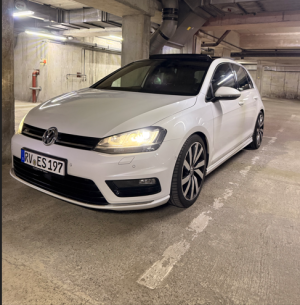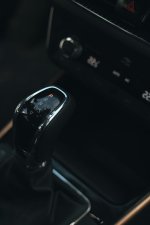
Photo by Jiří Prchlík via Pexels
Ask ten Volkswagen Group owners how often their DSG needs a fluid change and you'll get ten different answers — because the honest answer depends on which DSG, how the car is driven, and who you ask.
The factory "lifetime fluid" claim is the single most misunderstood phrase in DSG ownership. It has cost more transmissions than almost any other piece of advice in the VAG world.
There Is No Single "DSG" — There Are Several
"DSG" is a marketing name Volkswagen applies to several genuinely different transmissions, and the service story is not identical across them:- DQ200 (dry clutch, 7-speed) — used in smaller-engined cars, most sensitive to fluid degradation and mechatronic wear.
- DQ250 (wet clutch, 6-speed) — the long-serving unit behind the Mk5/Mk6 GTI, common in higher-torque applications.
- DQ381 / DQ500 (wet clutch, 7-speed) — used in higher-torque and larger applications, including many Audi and performance models.
Dry-clutch and wet-clutch DSGs age differently, which is exactly why a blanket answer floating around a Facebook group is often wrong for your specific car.
Where "Lifetime Fluid" Came From
Volkswagen's official position for years was that DSG fluid was filled for the life of the transmission under "normal" use. On paper, that sounds reassuring.In practice, "normal use" was defined using assumptions that don't match how most owners actually drive: modest annual mileage, minimal stop-and-go traffic, no towing, no track days, no repeated short trips that never let the fluid reach full operating temperature.
Fleet data, independent transmission specialists and a long trail of expensive mechatronic and clutch pack failures around the 100,000–150,000 km mark told a different story. Heat cycling breaks down DSG fluid's friction modifiers over time, and once that additive package degrades, clutch engagement gets harsher, shift quality drops, and wear accelerates on components that are expensive to replace.
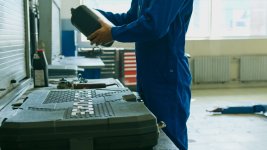
Photo by Artem Podrez via Pexels
What Independent Specialists Actually Recommend
Most experienced VAG-focused transmission shops converge on a similar practical interval, regardless of what the factory sticker says:- DSG fluid and filter every 40,000–60,000 km, or roughly every 2–3 years — whichever comes first.
- Shorter intervals (closer to 40,000 km) for cars used mostly in stop-and-go traffic, hot climates, towing, or spirited driving.
- Longer intervals only for genuinely light, mostly-motorway use — and even then, most specialists still won't recommend skipping service entirely.
"Lifetime" was never a promise. It was a driving-condition assumption most owners don't actually meet.
Signs Your DSG Fluid Is Overdue
A handful of symptoms tend to show up before a full failure, and they're worth taking seriously:- Harsher or clunkier engagement from reverse or first gear, especially on a cold start.
- Hesitation or a brief "double-bump" feeling during low-speed shifts.
- Occasional shudder from a standstill, most noticeable in stop-and-go traffic.
- Adaptation values in VCDS or OBDeleven that have drifted noticeably from baseline — worth checking even before symptoms appear.